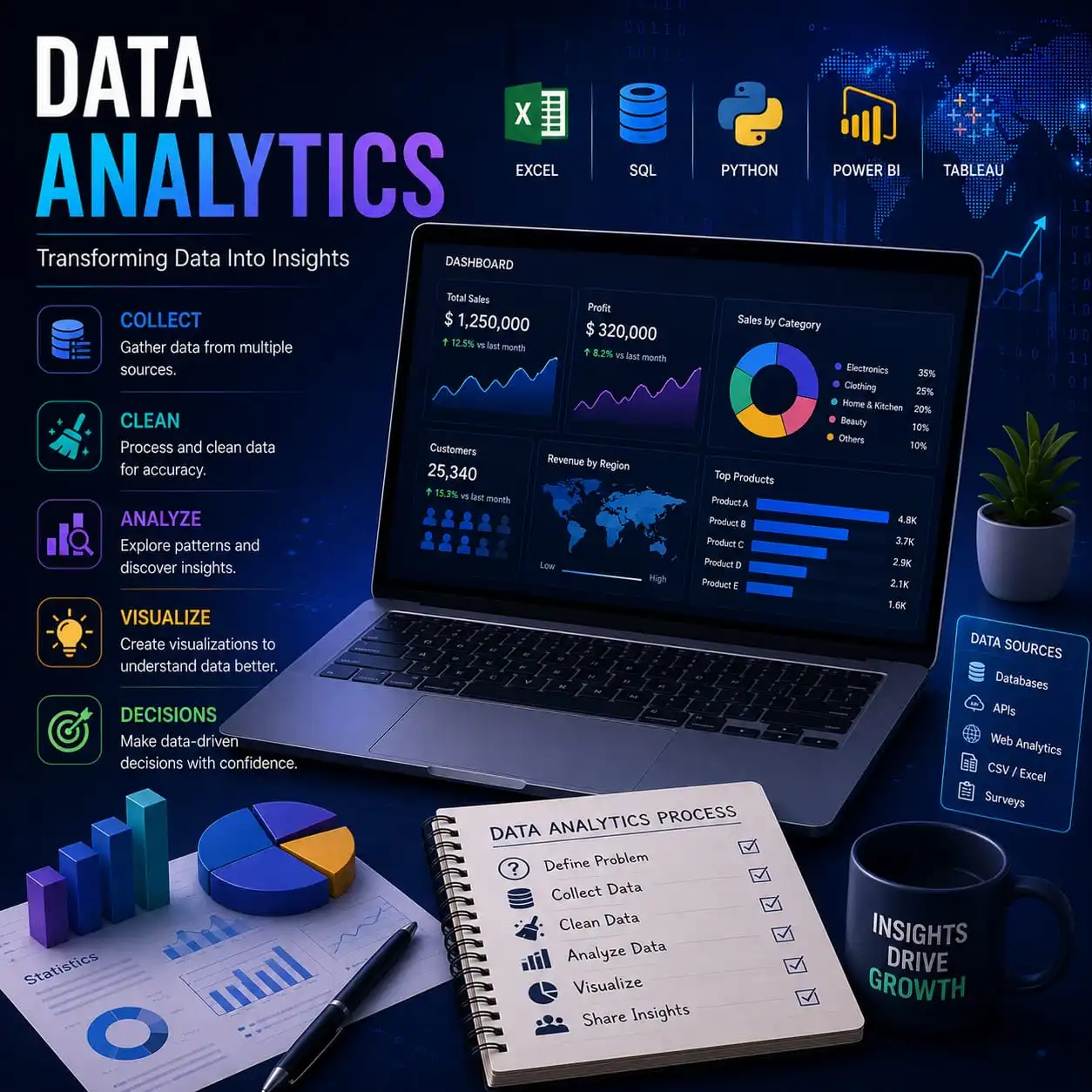
📊Data Analytics Roadmap for Beginners in 2026 | TechLearn Academy
Learn the complete Data Analytics Roadmap for Beginners in 2026. Explore Excel, SQL, Python, Power BI, Tableau, and data visualization skills required for a successful analytics career.
Introduction
Data Analytics is one of the most in-demand skills in today’s data-driven world. Organizations use data analytics to make better decisions, identify trends, improve business performance, and understand customer behavior. For students and beginners, learning Data Analytics can open exciting career opportunities in technology, finance, healthcare, marketing, and many other industries.
This Data Analytics Roadmap will help you understand the essential skills, tools, and learning path needed to become a successful data analyst.
What is Data Analytics?
Data Analytics is the process of collecting, cleaning, analyzing, and interpreting data to extract meaningful insights that support decision-making.
Data analysts help businesses answer questions such as:
- What are customers buying?
- Which products perform best?
- How can sales be improved?
- What trends are emerging?
Why Learn Data Analytics?
Benefits of Data Analytics
✅ High demand across industries
✅ Excellent career opportunities
✅ Competitive salaries
✅ Remote work possibilities
✅ Strong problem-solving skills
Step 1: Learn Microsoft Excel
Excel is the foundation of Data Analytics.
Topics to Learn
- Data Sorting
- Filtering
- Conditional Formatting
- Pivot Tables
- Charts & Graphs
- Lookup Functions
Excel helps beginners understand how to organize and analyze data efficiently.
Step 2: Learn SQL
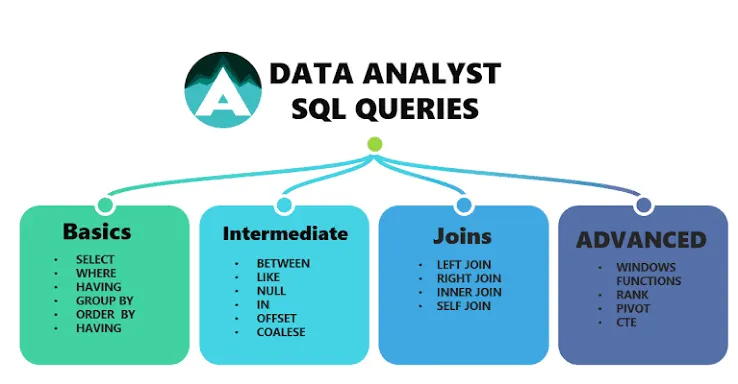
SQL (Structured Query Language) is used to manage and query databases.
Important Concepts
- SELECT Statements
- WHERE Clauses
- GROUP BY
- ORDER BY
- JOINS
- Aggregation Functions
SQL is one of the most important skills for data analysts.
Step 3: Learn Statistics Basics
Statistics helps analysts understand data patterns and trends.
Topics
- Mean
- Median
- Mode
- Probability
- Standard Deviation
- Correlation
Statistics forms the foundation of analytical thinking.
Step 4: Learn Python for Data Analytics
Python is widely used for data analysis and automation.
Topics to Learn
- Variables & Data Types
- Loops & Functions
- Data Structures
- File Handling
Important Libraries
- Pandas
- NumPy
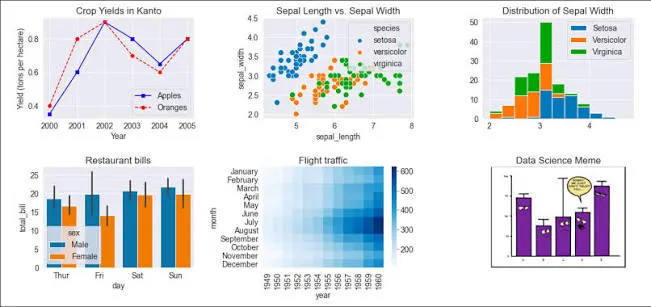
- Matplotlib
- Seaborn
Python enables powerful data analysis and visualization.
Step 5: Data Cleaning
Raw data often contains errors and missing values.
Data Cleaning Tasks
- Removing Duplicates
- Handling Missing Values
- Formatting Data
- Data Validation
Clean data improves analysis accuracy.
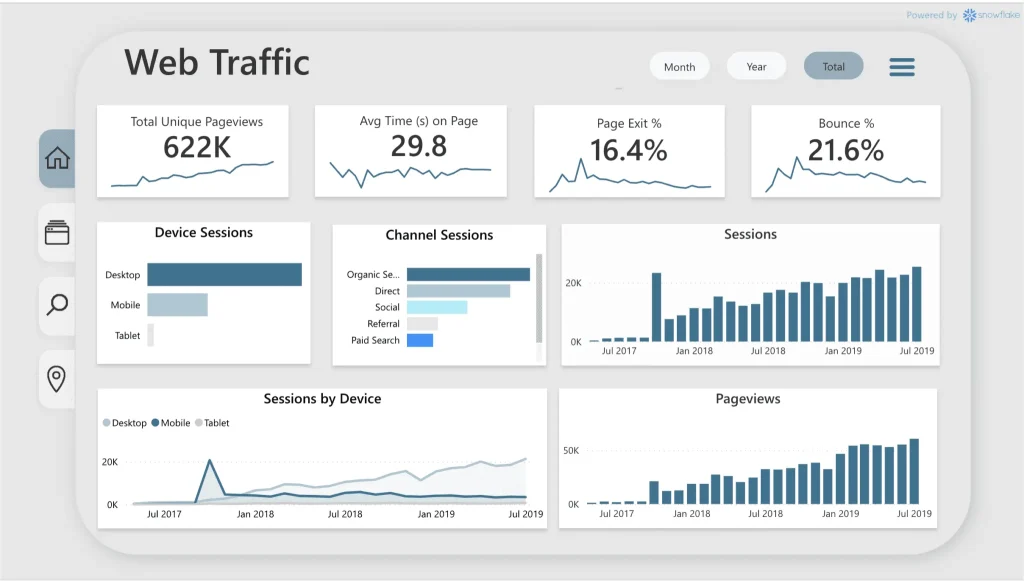
Step 6: Data Visualization
Data visualization helps communicate insights effectively.
Popular Visualization Tools
- Power BI
- Tableau
- Excel Charts
- Python Visualization Libraries
Types of Visualizations
- Bar Charts
- Pie Charts
- Line Graphs
- Dashboards
Step 7: Learn Power BI
Power BI is one of the most popular Business Intelligence tools.
Skills to Learn
- Dashboard Creation
- Data Modeling
- DAX Basics
- Report Design
Power BI is highly valued by employers.
Step 8: Learn Tableau
Tableau helps create interactive and professional dashboards.
Benefits
- Easy Data Visualization
- Interactive Reports
- Business Insights
- Data Storytelling
Step 9: Build Real Projects
Practical projects strengthen your portfolio.
Project Ideas
- Sales Dashboard
- Student Performance Analysis
- Employee Analytics Dashboard
- Social Media Analytics Report
- Customer Behavior Analysis
Step 10: Career Preparation
Popular Data Analytics Roles
- Data Analyst
- Business Analyst
- Data Visualization Specialist
- Reporting Analyst
- Operations Analyst
Essential Soft Skills
- Communication
- Problem Solving
- Critical Thinking
- Data Storytelling
Tools Every Data Analyst Should Learn
- Microsoft Excel
- SQL
- Python
- Power BI
- Tableau
- Google Sheets
Certifications for Beginners
Recommended Certifications
- Google Data Analytics Certificate
- Microsoft Power BI Certification
- IBM Data Analyst Certificate
- Tableau Certification
Future Scope of Data Analytics
As businesses generate increasing amounts of data, the demand for skilled data analysts continues to grow. Data Analytics plays a critical role in business intelligence, decision-making, marketing, healthcare, finance, and artificial intelligence.
Students who learn Data Analytics today will have access to numerous career opportunities in the future.
Conclusion
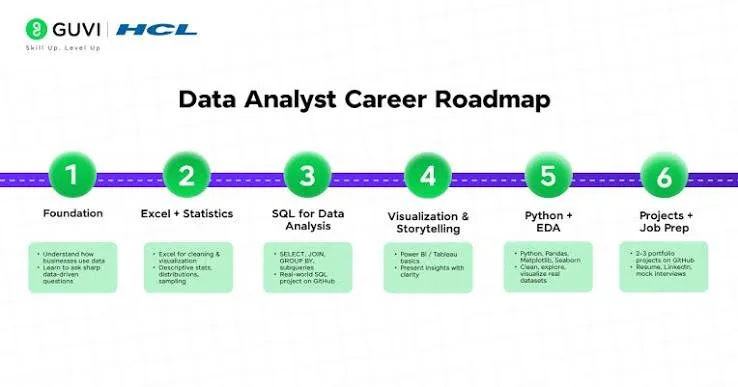
Data Analytics is an excellent career path for students and beginners interested in working with data and solving real-world problems. By learning Excel, SQL, Statistics, Python, Power BI, Tableau, and Data Visualization, you can build a strong foundation and prepare for a successful career in analytics. Focus on practical projects and continuous learning to stand out in this rapidly growing field.

You may also like


Cybersecurity Roadmap for Students and Freshers in 2026