
Cybersecurity Roadmap for Students and Freshers in 2026
Learn the complete Cybersecurity Roadmap for Students and Freshers in 2026. Explore networking, ethical hacking, cryptography, security tools, and career guidance.
Introduction
Cybersecurity is one of the fastest-growing fields in technology. As organizations increasingly rely on digital systems, the demand for cybersecurity professionals continues to rise. For students and freshers, understanding a structured Cybersecurity Roadmap can help build the skills needed to start a successful career in information security, ethical hacking, and network defense.
In this guide, we will explore the complete Cybersecurity Roadmap for Students and Freshers and the essential topics you should learn step by step.
What is Cybersecurity?
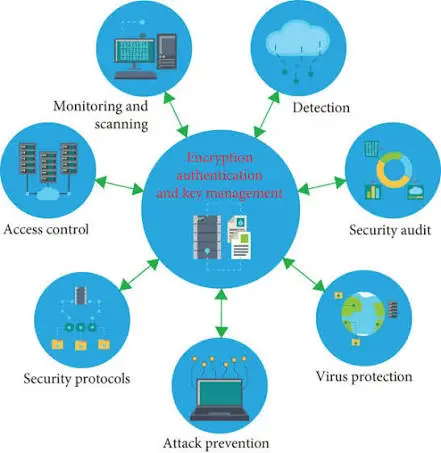
Cybersecurity is the practice of protecting computers, networks, systems, and data from unauthorized access, cyberattacks, and digital threats. It involves identifying vulnerabilities, implementing security measures, and responding to security incidents.
Why Learn Cybersecurity?
- High demand career field
- Excellent salary opportunities
- Continuous learning environment
- Global job opportunities
- Helps protect digital assets
Step 1: Learn Computer Fundamentals
Before starting cybersecurity, understand:
- Operating Systems
- File Systems
- Hardware Basics
- Software Concepts
- Command Line Basics
Recommended Operating Systems
- Windows
- Linux
- macOS
Step 2: Master Networking Basics
Networking forms the foundation of cybersecurity.
Topics to Learn:
- IP Address
- Subnetting
- DNS
- HTTP & HTTPS
- TCP/IP
- Ports & Protocols
- Routers & Switches
Understanding networking helps identify and analyze security threats effectively.
Step 3: Learn Linux Fundamentals
Linux is widely used in cybersecurity.
Topics:
- Linux Commands
- File Permissions
- User Management
- Networking Commands
- Package Management
Popular Linux Distributions:
- Kali Linux
- Ubuntu
- Parrot OS
Step 4: Understand Cyber Threats
Learn common attacks:
- Malware
- Ransomware
- Phishing
- Social Engineering
- DDoS Attacks
- Password Attacks
Understanding threats helps build defensive strategies.
Step 5: Study Cryptography
Cryptography protects sensitive information.
Topics:
- Encryption
- Decryption
- AES
- RSA
- DES
- Hashing
- Digital Signatures
Cryptography is essential for secure communication.
Step 6: Learn Ethical Hacking Basics
Ethical hackers identify vulnerabilities before attackers can exploit them.
Topics:
- Footprinting
- Reconnaissance
- Vulnerability Assessment
- Penetration Testing
- Web Security
Popular Tools:
- Nmap
- Wireshark
- Burp Suite
- Metasploitable

Step 7: Web Application Security
Web applications are common attack targets.
Learn:
- SQL Injection
- Cross-Site Scripting (XSS)
- Authentication Security
- Session Management
- OWASP Top 10
Step 8: Security Tools
Learn industry-standard tools:
- Wireshark
- Nmap
- Nessus
- Burp Suite
- OpenVAS
These tools help identify vulnerabilities and analyze network traffic.
Step 9: Build Practical Projects
Projects improve practical skills.
Ideas:
- Home Lab Setup
- Network Monitoring Dashboard
- Vulnerability Scanner
- Password Strength Checker
- Security Awareness Website
Step 10: Prepare for Cybersecurity Careers
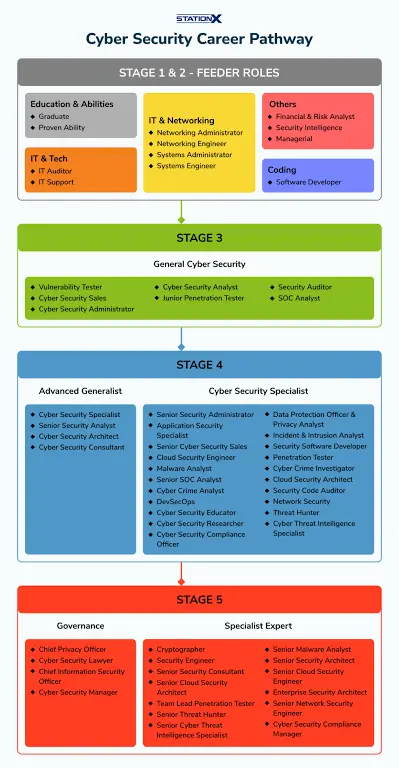
Career Roles:
- Security Analyst
- SOC Analyst
- Penetration Tester
- Security Engineer
- Incident Responder
Important Skills:
- Communication
- Problem Solving
- Analytical Thinking
- Continuous Learning
Certifications for Beginners
Consider:
- CompTIA Security+
- Google Cybersecurity Certificate
- Certified Ethical Hacker (CEH)
- Cisco CyberOps Associate
Conclusion
Cybersecurity offers exciting career opportunities for students and freshers willing to learn continuously and develop practical skills. By following this Cybersecurity Roadmap step by step, you can build a strong foundation in networking, security concepts, ethical hacking, cryptography, and security tools. Focus on practical learning, hands-on projects, and continuous improvement to succeed in the cybersecurity industry.
I